Where You Can Save Money (And Where You Shouldn't)
When your budget is tight, it's tempting to cut corners everywhere. But some corners are fine to cut, while others will cost you more in the long run.
Where you can save: You don't always need the most expensive materials. There are perfectly good mid-range options for tiles, flooring, kitchen units, and bathroom fittings that look great and will last well. You can also save by doing some of the simpler work yourself – painting, decorating, maybe even some demolition work if you're handy.
Where you shouldn't skimp: Structural work, roofing, electrics, plumbing, and damp-proofing need to be done properly by qualified professionals. Cheap work in these areas often ends up costing more when it needs redoing. Similarly, if something needs proper materials (like roof tiles or damp-proof membranes), don't try to save money with inferior alternatives.
Get Multiple Quotes, But Don't Just Choose the Cheapest
When you're on a tight budget, it's natural to want the lowest quote. But the cheapest option isn't always the best value.
A quote that seems too good to be true often is. Some builders lowball their quotes to get the job, then add extras and variations as they go. Others might use substandard materials or cut corners to keep costs down. You end up with work that looks okay initially but doesn't last, or a final bill that's way higher than the original quote.
Get at least three quotes for any major work, and look at what you're actually getting for your money. A slightly higher quote from an experienced, reliable builder who uses decent materials and guarantees their work is often better value than a rock-bottom price from someone you're not sure about.
We always give detailed quotes that break down exactly what's included, so you can see where your money's going. No hidden costs, no surprises.
Think Long-Term, Not Just Quick Fixes
When money's limited, it's tempting to go for cheaper, temporary solutions. Patch up the problem and deal with it properly later. Sometimes that makes sense – if you genuinely can't afford the full fix right now, a temporary repair might tide you over.
But often, temporary fixes end up being a false economy. You spend money on a quick patch-up, then in a year or two, you need to spend the full amount anyway to fix it properly. You've essentially paid twice.
If you can, save up and do the job properly once. It'll last longer, work better, and cost less overall than doing it in bits or patching it up repeatedly.
What We Recommend for Different Budgets
Over the years, we've worked with homeowners at all sorts of budget levels. Here's roughly how we'd prioritise if we were in your shoes:
Very tight budget (under £5,000): Focus on essential repairs and maintenance. Fix that leaking roof, sort out damp issues, and replace a broken boiler. These aren't exciting, but they protect your home. You might also stretch to a bathroom refresh with new fixtures and a lick of paint.
Modest budget (£5,000-£15,000): You could tackle a bathroom renovation, a kitchen refresh (new units, worktops, appliances, but keeping the same layout), or essential repairs plus some cosmetic improvements. This is also enough for smaller extensions in some cases, or a straightforward loft conversion if your loft is suitable.
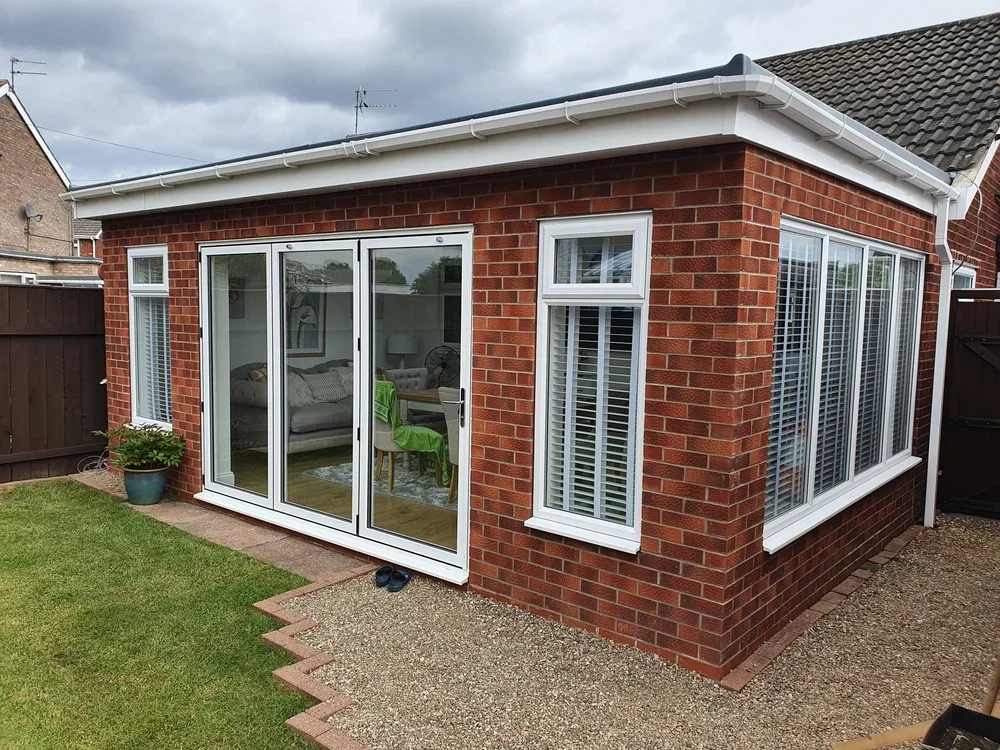
Reasonable budget (£15,000-£30,000): Now you're looking at a decent-sized extension in Hull, a full kitchen or bathroom renovation, or multiple smaller projects. You could do a single-storey rear extension, convert your loft, or completely renovate one or two rooms to a high standard.
Comfortable budget (£30,000+): Larger extensions, wrap-around builds, multiple room renovations, or high-end finishes become possible. You could transform your home quite significantly at this level.
These are rough guides based on typical Hull properties, and actual costs vary depending on what you want and the specifics of your home. But it gives you a sense of what's realistic at different budget levels.
Be Realistic About DIY
There's plenty you can do yourself to save money, but be realistic about your skills and the time you've got.
We've been called in to fix plenty of DIY disasters over the years, and they always cost more to put right than they would have cost to do properly in the first place. If you're not confident or don't have the right tools, it's usually worth paying a professional.
Also, remember that DIY takes time. If you're working full-time and fitting home improvements around your job, that simple bathroom renovation could take months rather than weeks. Sometimes paying someone to do it quickly is worth it just to get your home back to normal.
Talk to Us About Your Options
Every home is different, and every homeowner's priorities are different. What makes sense for your neighbour might not make sense for you.
When you talk to us, we'll be honest about what we think you should prioritise. If we think you're better off fixing the roof before adding an extension, we'll tell you. If we think you could achieve what you want for less money with a different approach, we'll explain that too.
Our job isn't just to take your money and do whatever you ask. It's to help you make good decisions about your home that you'll be happy with in five or ten years' time.
We know building work is a big investment, and we respect that you're trusting us with your hard-earned money. That's why we always try to give you the best value we can, with clear pricing, quality work, and no hidden surprises.
Ready to talk about what you could do with your budget? Give us a call on 07934 237607 or email dbconstructionhull@outlook.com. We'll come and see your property, listen to what you want to achieve, and give you honest, practical advice about how to make the most of your budget. Let's work out what's possible and get your home improvement journey started.