What Happens If You Change Your Mind in the Middle of a Building Project?

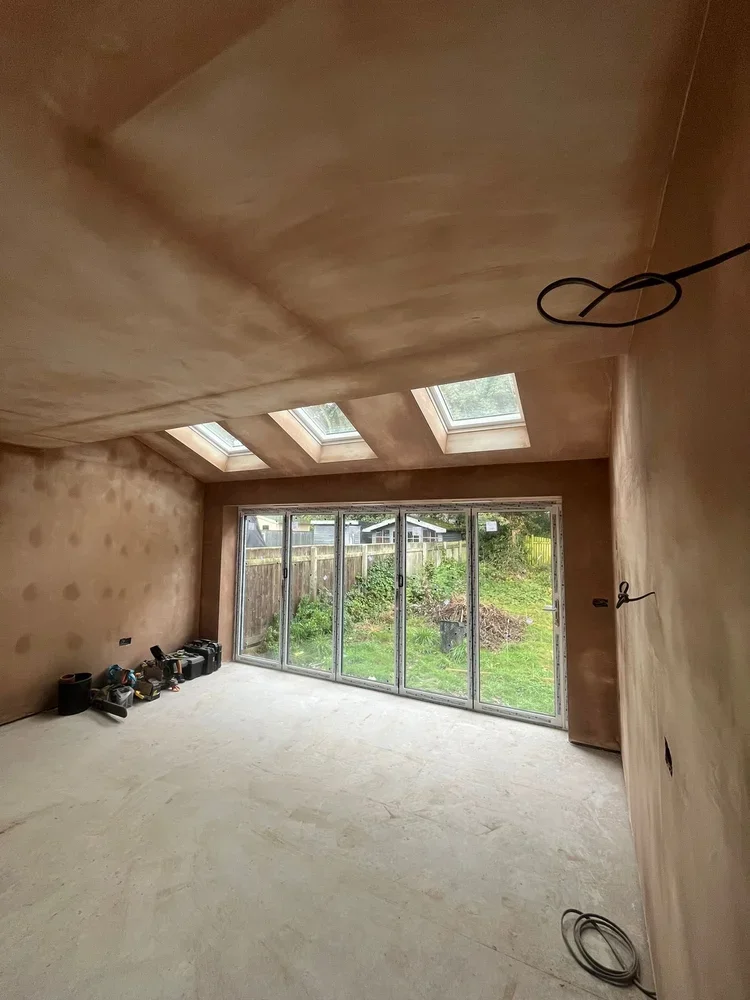
You've planned your extension carefully, agreed on the quote, and work has begun. Then, halfway through the build, you have a thought: "Actually, could we move that window? And maybe make the room a bit bigger? Oh, and what about adding bifold doors instead of the patio doors we agreed?"
It happens more often than you'd think. Building projects have a way of sparking new ideas once you can actually see the space taking shape. At DB Construction, we understand that sometimes changes feel necessary – maybe you've spotted an opportunity to improve the design, or your circumstances have shifted since you started.
But here's the thing: changes during a build aren't quite as simple as they might seem. Let's talk about what actually happens when you want to change things mid-project, and how to handle it in a way that doesn't derail everything.

Why Changes During Construction Are Complicated

When you're planning a build, everything is connected. The foundations support the walls, the walls support the roof, the electrics run where the walls will be, the plumber needs to know where the bathroom is going. Change one thing, and it often affects several others.
Once work has started, we've already ordered materials, scheduled tradespeople, and progressed according to the agreed plan. A change that seems small to you might mean reworking things we've already done, reordering materials, rescheduling specialists, or even getting new approvals from building control.
That doesn't mean changes are impossible – we've accommodated plenty of them over the years – but it's important to understand that they're not as straightforward as making a decision before work begins.

The Real Cost of Changes

Let's be honest about this: changes during construction almost always cost more money. Sometimes quite a bit more.
If you decide you want an extra window after we've already built and plastered the wall, we need to knock out the brickwork, install a lintel, fit the window, make good the surrounding area, and replaster. That's a lot of extra work compared to just building the window in from the start.
Materials we've already ordered might no longer be needed, but we've still paid for them. New materials need to be sourced, which might mean delivery charges and waiting times. Tradespeople might need to come back for additional work, which means more labour costs.
There's also the time factor. Changes create delays while we rework things.. If your project was scheduled to take eight weeks and you make significant changes halfway through, it might now take ten or twelve weeks. For most homeowners, that extended disruption is a cost in itself.
We're always upfront about what changes will cost. We'll give you a price for the variation before we do the work, so you can make an informed decision about whether it's worth it.

Some Changes Are Easier Than Others

Not all changes are created equal. Some are relatively straightforward, while others are major headaches.
Easy changes might include things like paint colours, the exact position of light switches (if we haven't already done the first fix electrics), which taps you want in the bathroom, or the style of door handles. These are finishing touches that don't affect the structure or the overall build sequence.
Moderate changes might involve swapping one type of window for another of the same size, changing flooring choices before the floor goes down, or adding extra plug sockets before the walls are plastered.
Difficult changes are things that affect the structure or layout. Moving walls, changing the size of the extension, relocating doors or windows, adding a bathroom where one wasn't planned, or switching from a flat roof to a pitched roof. These sorts of changes can have major knock-on effects and might even require new planning permissions or building control approvals.

When Building Regulations Get Involved

Here's something that catches people out: if your change affects the structure, fire safety, insulation, or other regulated aspects of the build, we need to notify building control and get approval before we proceed.
You can't just decide to add an extra window wherever you fancy, or knock through an additional wall, without checking it's safe and compliant. If building control hasn't approved a change and we go ahead anyway, it can cause serious problems down the line – including issues when you come to sell your property.
It's another reason why changes take time and add to costs. Building control needs to be notified, plans might need updating, and we need to wait for approvals before continuing.

The Ripple Effect on Your Schedule

Even if a change seems minor, it can affect the sequence of work in ways you might not expect. Builders, electricians, plumbers, plasterers – they're all scheduled to come in at specific times based on the agreed plan.
If we need to rework something, it might mean the plasterer can't start when planned because the walls aren't ready. The electrician might need to come back again. The flooring company might need to reschedule. These delays cascade through the project, and suddenly your eight-week build has stretched to ten weeks, and you're still living with the disruption.
We do our best to minimise delays, but some level of schedule impact is almost inevitable with mid-project changes.

How to Handle Changes the Right Way

If you genuinely need to make a change, here's the best way to approach it:
Talk to us as soon as possible. Don't wait until we're about to move onto the next stage. The earlier you mention it, the easier it is to accommodate.
Be clear about what you want. Vague requests like "can we just make it a bit different?" don't help anyone. Be specific about what you want to change and why.
Ask for a written quote for the variation. We'll assess what's involved and give you a written quote for the additional work. That way, you know exactly what you're agreeing to.
Understand the time implications. Ask us how the change will affect the schedule. If it means an extra week or two, you need to know that before deciding to go ahead.
Put it in writing. Once you've agreed to a change and the price, get it confirmed in writing. This protects both of us and ensures everyone's clear about what's been agreed.

When You Should Stick to the Original Plan

Sometimes, the best decision is to stick with what you agreed at the start, even if you're tempted to change things.
If a change is going to add high cost for relatively little benefit, it's probably not worth it. If it's going to delay your project substantially when you're already living with disruption, maybe hold off and do it later if you still want it. If it's a whim rather than a genuine need, sleep on it for a few days before making a decision.
Remember, you planned this project carefully before work started. There were good reasons for the decisions you made. Trust that process unless something has genuinely changed or you've spotted a real problem that needs fixing.

The Changes We Encourage

That said, there are times when we actively recommend changes. If we spot an issue with the original design or an opportunity to improve the build, we'll tell you.
Maybe we've opened up a wall and found the structure's different what we expected, which means we need to adjust the plan. Perhaps we can see a way to improve the layout that you hadn't considered. Or there might be a practical issue that's easier to fix now than later.
nfident in your decisions when work begins. Let's build an extension or loft conversion in Hull you'll love – and get it right the first time.
Previous
Previous

How to Prioritise Home Upgrades When Your Budget Is Limited

Next
Next

Why Site Access Matters More Than You Think in Construction Projects