
When Small Problems Become Big: Recognising Structural Issues Early
A small crack appears in your wall. A door starts sticking. You notice a damp patch that wasn't there before. These seem like minor annoyances, easily ignored or pushed down the list of things to deal with. But sometimes these small signs point to bigger structural problems that get worse and more expensive the longer you leave them.After 13 years working on properties across Hull, we've seen what happens when small issues get ignored. Sometimes a crack is just a crack. Other times it's the first sign of foundation movement, subsidence, or structural failure that needs urgent attention. Here's how to tell the difference and when to get professional help.Cracks That Matter
Not all cracks are serious. Fine hairline cracks in plaster are common and usually just cosmetic, caused by building movement, temperature changes, or plaster shrinkage. They're annoying but not dangerous.Cracks you should worry about are wider than 3mm, diagonal rather than vertical, or growing over time. Stepped cracks following mortar joints in brickwork outside suggest foundation movement. Horizontal cracks in walls can indicate structural problems. Cracks appearing near corners or around windows and doors need investigating.If you can fit a 10p coin in a crack, or if cracks that you've filled keep reappearing wider than before, something's moving that shouldn't be. Get a structural survey before the problem gets worse and more expensive to fix.Doors and Windows Sticking
Doors that suddenly won't close properly or windows that jam might seem like minor irritations. Often they are: wood swells in damp weather, hinges wear out, frames need adjusting. But sometimes they're signs that your house is moving.If multiple doors or windows start sticking at the same time, particularly on one side of the property, that suggests structural movement. If door frames are visibly out of square or gaps appear between frames and walls, something's shifting.One sticking door is probably just a sticking door. Three or four developing problems over a few months suggests your house is moving, and you need to understand why before the movement causes serious damage.Damp Patches and Staining
Damp patches on walls or ceilings need investigating quickly. Sometimes it's a leaking pipe or blocked gutter: straightforward to fix. Sometimes it's rising damp from failed damp-proof courses, which is common in Victorian properties around Hull and needs proper treatment.But damp can also indicate cracked drains, failing pointing allowing water penetration, or roof problems. Left untreated, damp causes timber rot, plaster damage, and creates conditions for structural decay that becomes expensive and disruptive to fix properly.If damp appears suddenly, gets worse quickly, or spreads across walls, don't ignore it hoping it'll dry out. Find the cause and fix it before secondary damage starts. Water is the enemy of old houses and should never be ignored.Sloping or Uneven Floors
Many old houses have slightly uneven floors. That's normal: they've settled over a century or more. But floors that are noticeably getting worse, or new slopes appearing, suggest ongoing foundation movement or timber problems.If marbles roll across your floor or furniture rocks noticeably, check whether this has always been the case or if it's recent. Recent changes suggest active problems. Some properties have suspended timber floors, and if joists are rotting or supports have failed, floors sag and become unsafe.Major floor slopes exceeding 25mm over 3 metres, or floors that feel bouncy and unstable, need professional assessment. The problem might be straightforward to fix now but catastrophic and expensive if left until floors actually fail.Bulging or Bowing Walls
External walls should be vertical. If brickwork is visibly bulging or bowing outwards, that's serious. It suggests the wall is losing stability, often because wall ties have corroded or lateral restraint has failed.Properties sometimes have cavity walls where metal wall ties rust and expand, pushing the outer bricks away from the inner wall. Solid wall properties can suffer from similar issues if floor or roof timbers aren't properly tied into walls.Bulging walls don't fix themselves. They get worse until they potentially collapse, which is dangerous and extremely expensive. If you can see visible bulging or bowing in brickwork, get a structural engineer's assessment urgently.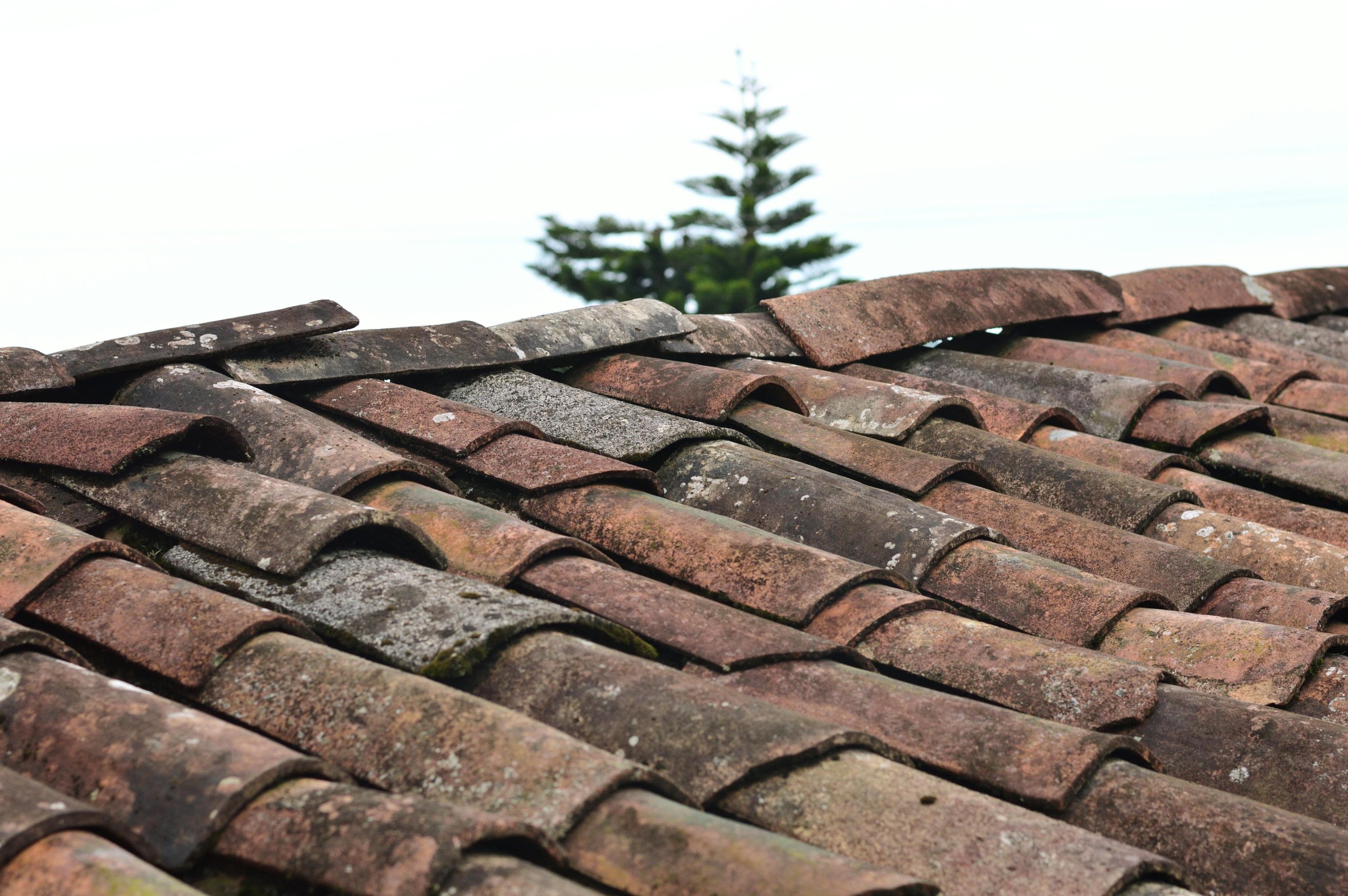
Gaps Opening Up
Gaps appearing between walls and ceilings, between walls and floors, or between extensions and original buildings suggest movement. Small gaps from normal settlement are fine. Gaps you can see daylight through or that are widening noticeably need investigating.These gaps often indicate differential movement: one part of the building settling faster than another. This commonly happens where extensions meet original buildings if foundations are different depths or the ground beneath is unstable.Filling gaps cosmetically doesn't solve anything if the underlying movement continues. You need to understand why movement is happening and whether it needs stabilising before it causes serious structural damage.Roof Problems
Missing or slipped roof tiles seem minor but let water into your roof structure. Once water gets in, timber rots, insulation fails, and ceilings get damaged. What starts as one missing tile becomes a major roof repair or replacement within a few years.Sagging roof lines visible from outside suggest structural problems with roof timbers. Ridges that aren't straight, or valleys that have dropped, indicate timber failure or movement. Inside, if you can see daylight through your roof or notice new damp patches on ceilings, don't wait: these problems accelerate quickly.Timbers do eventually fail, and replacing them becomes necessary. Catching problems early usually means repairs. Leaving them means replacement, which costs substantially more.Why Problems Get Worse
Structural issues rarely improve on their own. Water damage spreads. Foundation movement continues. Timber rot progresses. Small cracks widen into large ones. What could have been fixed for hundreds of pounds becomes thousands once serious damage occurs.We've seen homeowners ignore warning signs for years, then face bills of £20,000 or more for work that would have cost £2,000 if caught early. The reluctance to investigate problems because you're worried about the cost almost always makes the eventual cost far higher.What Causes Structural Problems
In Hull's properties, common causes include foundation movement from clay soil shrinkage, failed or absent damp-proof courses, corroded wall ties, roof timber failure, and previous poor-quality repairs or alterations.Trees too close to buildings cause foundation movement as roots extract moisture from clay soil. Leaking drains wash away ground beneath foundations. Poor-quality extensions built without proper foundations settle differently to original buildings. Previous alterations where structural walls were removed without adequate support cause ongoing problems.Understanding the cause matters because it determines the fix. A crack caused by one-off settlement needs different treatment to cracks caused by ongoing foundation movement that needs stabilising.When to Get Professional Help
If you notice any of these signs, get a structural survey or at least a builder's assessment. We're happy to visit properties and give honest opinions about whether problems are serious or cosmetic. Sometimes reassurance that cracks are normal is all that's needed.For serious concerns, structural engineers provide detailed assessments and recommend solutions. This costs money upfront but prevents expensive mistakes. Proper diagnosis means proper fixes rather than wasting money on repairs that don't address underlying problems.Don't wait until problems become obvious to everyone. Early intervention almost always costs less and causes less disruption than emergency repairs when things actually fail.
What We Look For
When assessing properties, we check crack patterns, test floors for level and stability, look at external walls for bulging or movement, inspect roof structure if accessible, check damp-proof courses, and assess general building condition.We're looking for patterns that indicate structural problems versus isolated cosmetic issues. Multiple small signs often point to one underlying problem. Identifying that problem early means fixing it before serious damage occurs.Our experience with hundreds of these properties means we recognise warning signs quickly and understand appropriate solutions.Typical Solutions
Foundation problems might need underpinning or stabilising, which sounds drastic but is often straightforward. Failed wall ties need replacing. Roof timbers can be repaired or replaced. Damp issues need proper damp-proofing and often improved ventilation or drainage.Most structural problems have established solutions that work reliably. They're not cheap, but they're permanent fixes that protect your property value and make your home safe. Bodging problems with cosmetic repairs wastes money and delays inevitable proper work.We've handled countless structural repairs on Hull properties. Most are less dramatic than homeowners fear, but all benefit from being addressed promptly rather than left to worsen.The Cost of Ignoring Problems
We've seen minor issues left unaddressed become major renovation projects costing tens of thousands. A £500 roof repair becomes a £15,000 roof replacement. A £2,000 foundation repair becomes a £25,000 underpinning job. Damp treatment costing £1,500 becomes a £10,000 timber replacement and replastering project.The reluctance to investigate problems because you're worried about the cost is understandable but counterproductive. Finding out what's wrong doesn't obligate you to fix it immediately, but it lets you plan and budget rather than facing emergency work when things fail catastrophically.Getting Peace of Mind
If you're worried about cracks, damp, sticking doors, or any other potential structural issues, get them checked. Often the news is reassuring: many things that worry homeowners are actually normal and harmless.When problems are serious, knowing early gives you time to plan and budget for repairs. You can get multiple quotes, schedule work at convenient times, and fix things properly before they become emergencies.If you would like our team to help, get in touch today.
